
Why You're Not Making Progress in the Gym (and How to Fix It)
Stuck at the same weights? The common reasons gym progress stalls, from inconsistent training to poor recovery, and practical steps to get moving again.
By Gym Progress · Published
Almost everyone reaches a point where the weights stop going up or the mirror stops changing. It's frustrating, but a plateau usually has an identifiable cause. Work through the common reasons below. Most can be fixed without overhauling everything.
1. You're not progressively overloading
If you're lifting the same weights for the same reps month after month, your body has little reason to keep adapting. Aim to add a rep, a little weight or an extra set over time. Progressive overload explained covers simple ways to do this.
2. Your training is inconsistent
Missed sessions, constantly changing exercises, or switching programmes every couple of weeks make it hard to build on anything. Choose a plan you can realistically stick to, keep the main lifts the same for a block of several weeks, and judge the results at the end of that block.
3. You're not training hard enough, or you're training too hard
Sets that stop well short of challenging may not give your body enough reason to adapt. As a rough guide, most working sets should finish with only a few reps left in reserve.
The opposite problem is just as common: taking every set to failure, adding more volume every week and never easing off. If your performance is dropping, you feel run down or your joints ache, you may be building up more fatigue than you can recover from. A lighter week, with fewer sets or lighter weights, can help you come back stronger.
4. You're not recovering well enough
Training provides the stimulus, but you adapt while you recover. Regularly short or poor-quality sleep, high stress and too few rest days all make progress harder. Most adults need roughly seven to nine hours of sleep a night, and making sleep a priority is one of the simplest changes you can make.
5. Your nutrition doesn't match your goal
If you want to build muscle, eating too little makes it much harder. If you want to lose fat, consistently eating more than you use will stall weight loss however hard you train. Protein supports building and maintaining muscle, so including a good protein source at most meals is a simple, sensible habit.
Individual needs vary. If you have a medical condition or specific dietary requirements, speak to a GP or registered dietitian before making significant changes to your diet.
6. Your technique keeps changing
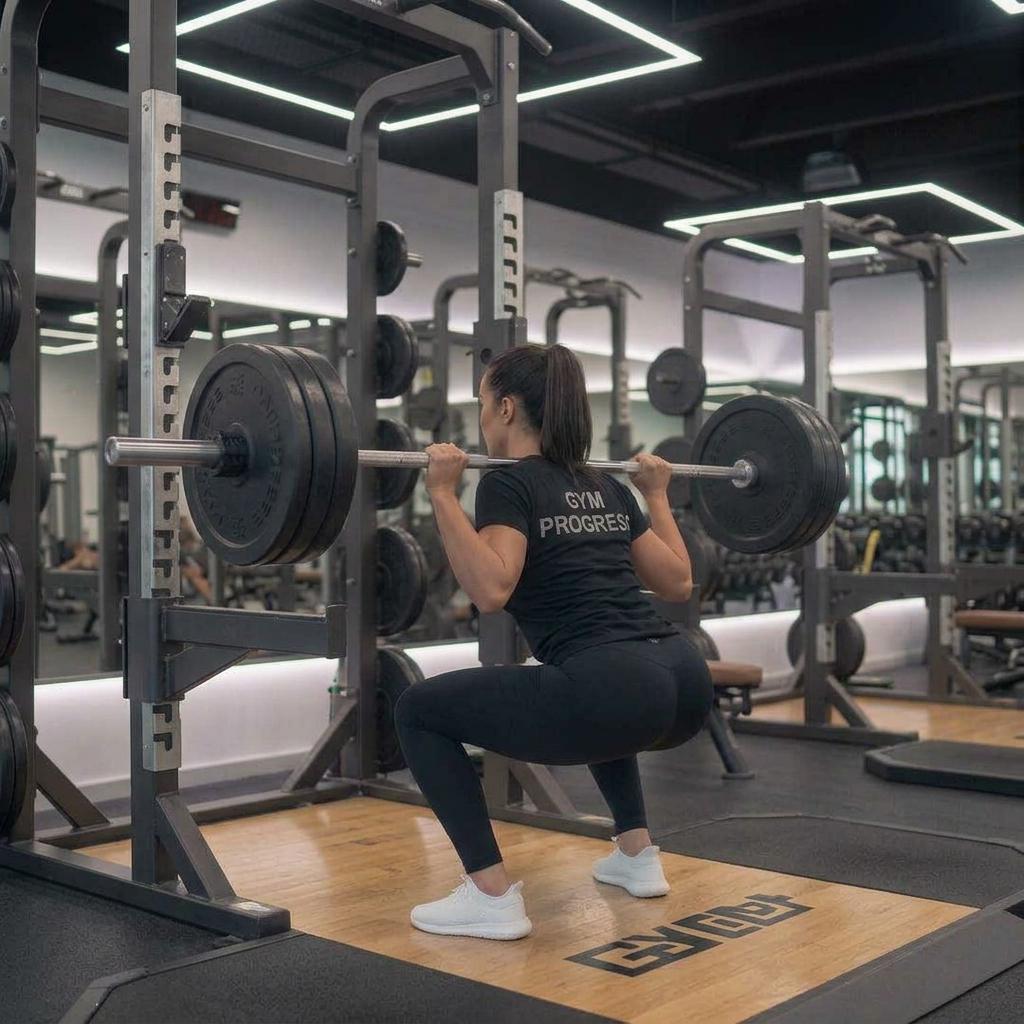
Adding weight by cutting the depth of a squat or bouncing the bar off your chest on the bench press can look like progress on paper, but it isn't. Keep your technique consistent so your numbers are comparable from week to week and you're training the muscles you mean to. Every guide in the exercise library describes how to perform the movement.
7. Your programme doesn't match your goal
Lots of cardio won't maximise your strength, and random workouts won't reliably improve a particular lift. Make sure your training matches what you want. If you want to get stronger, build it around compound lifts that you can progress steadily, such as a push and pull split:
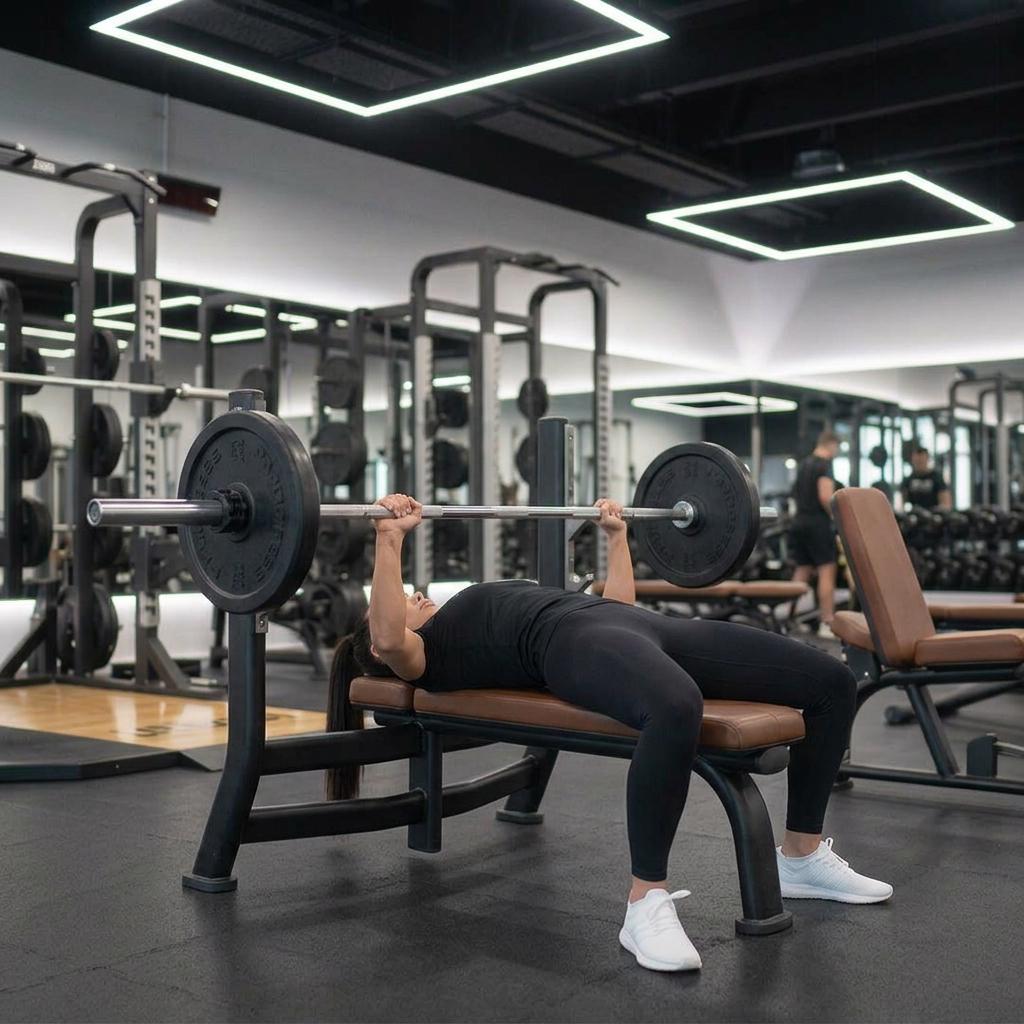
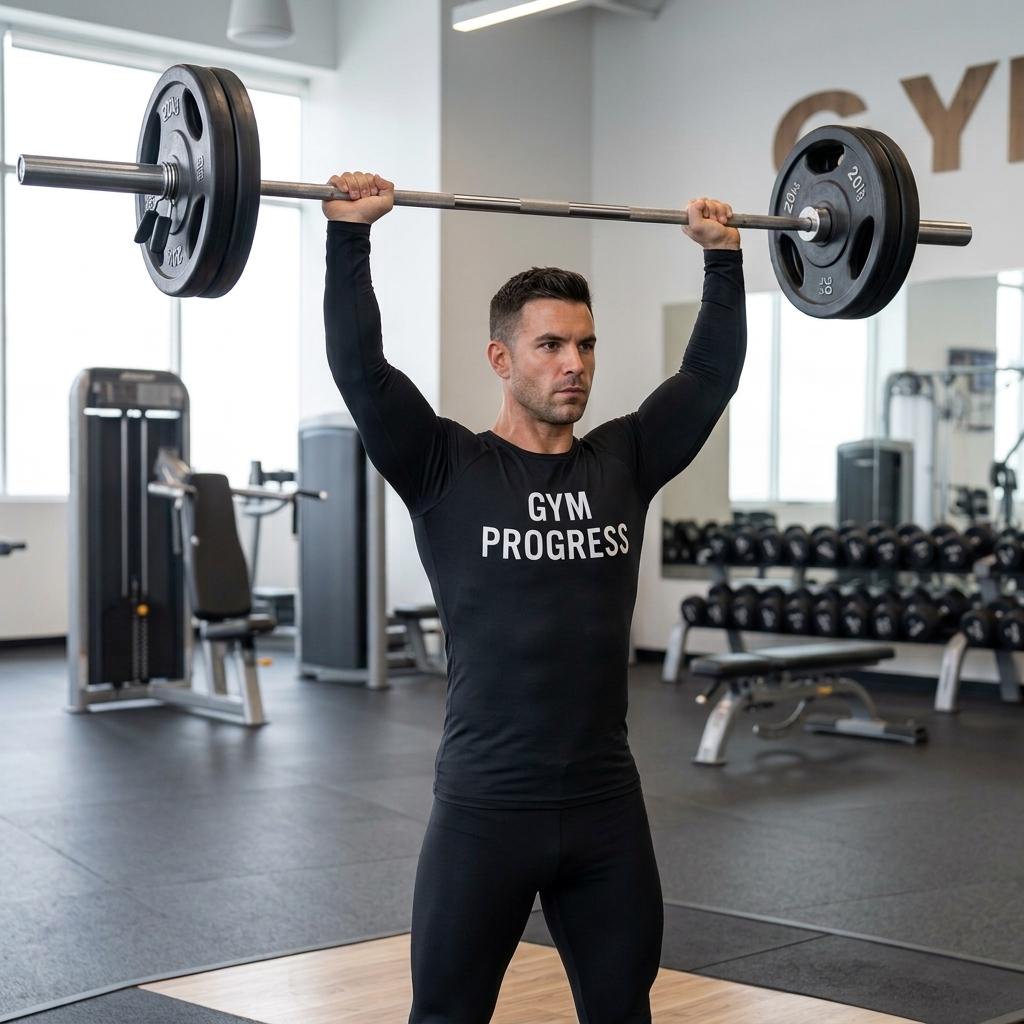
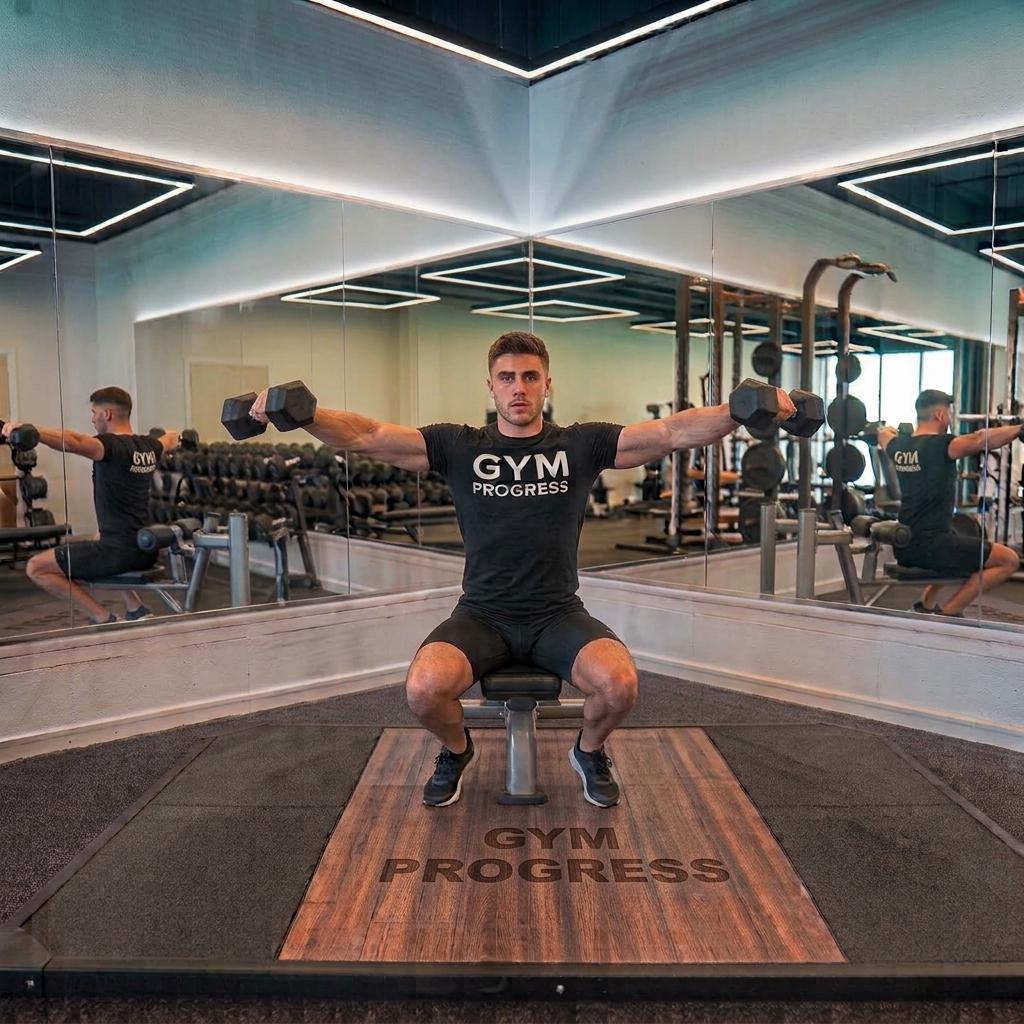
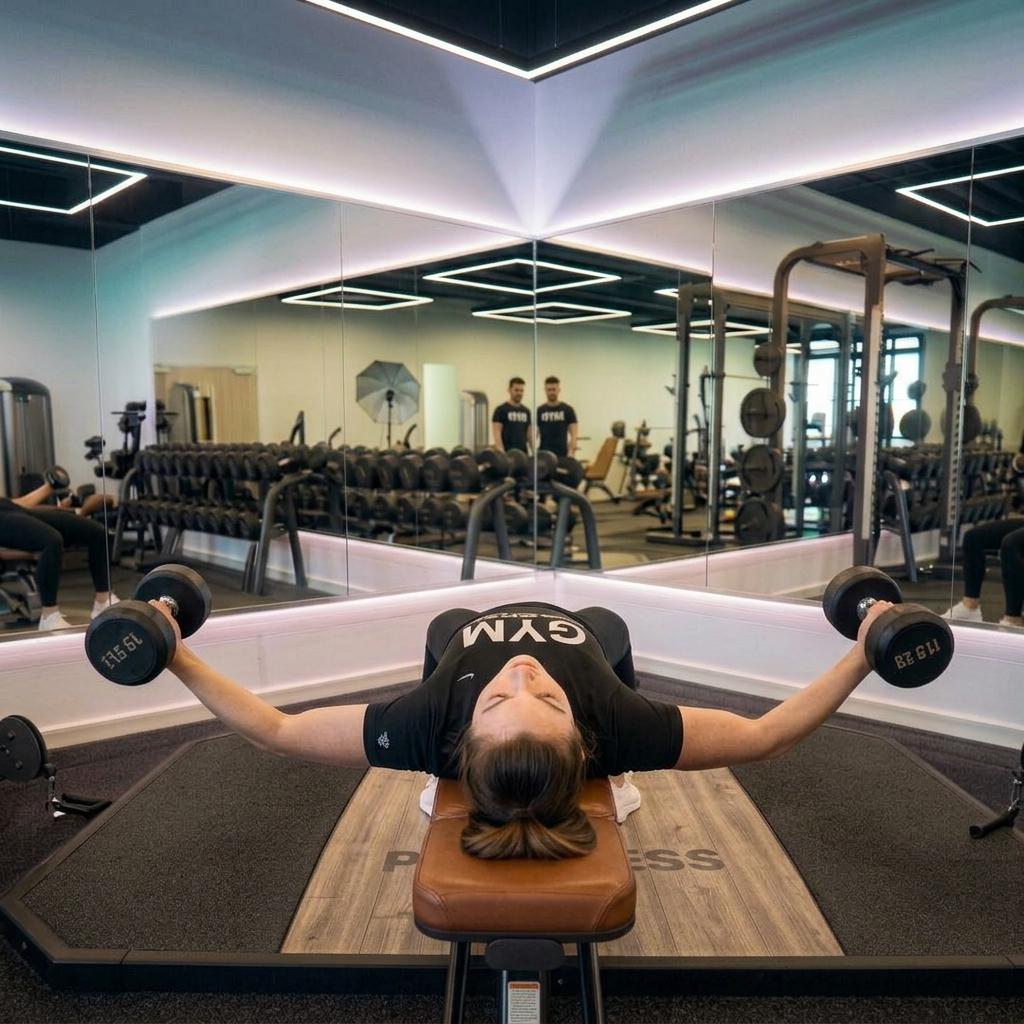
A structured upper-body session built around the bench press and military press, easy to repeat and progress each week.
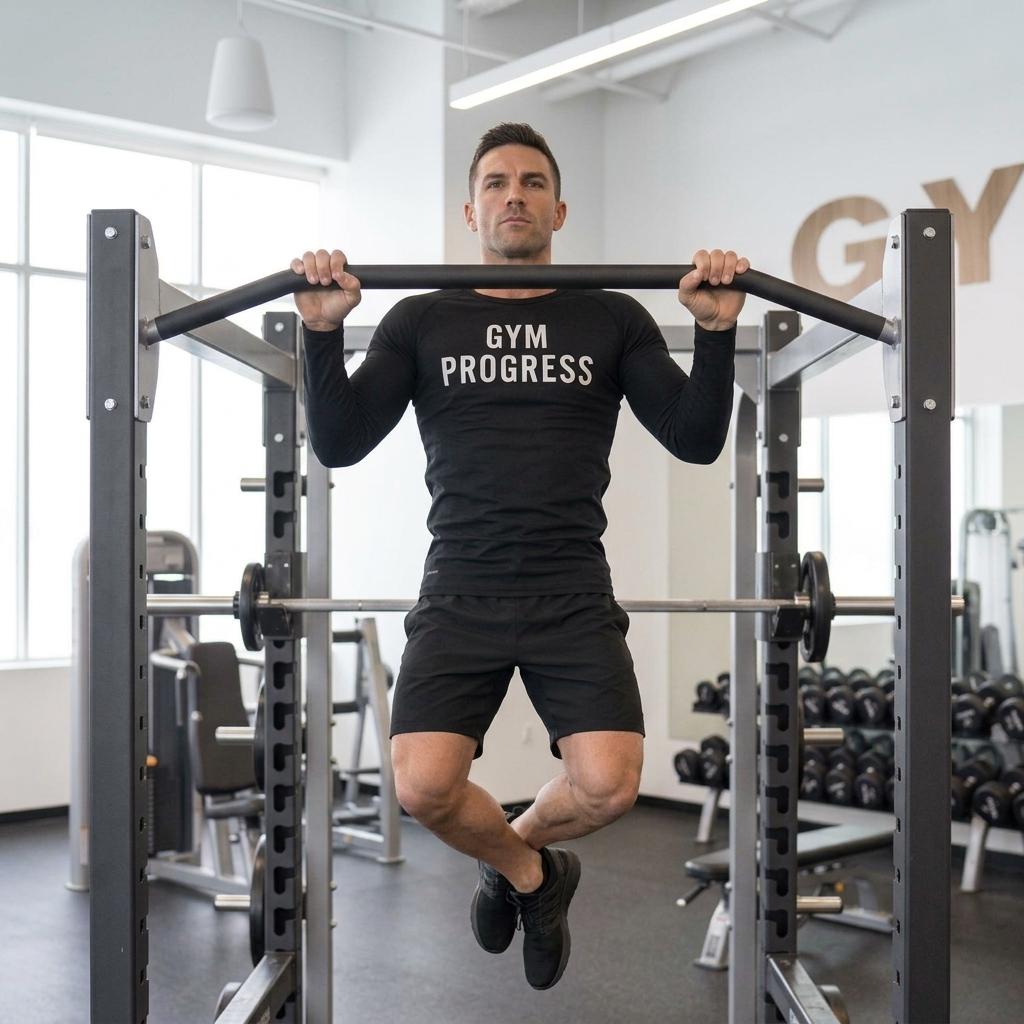

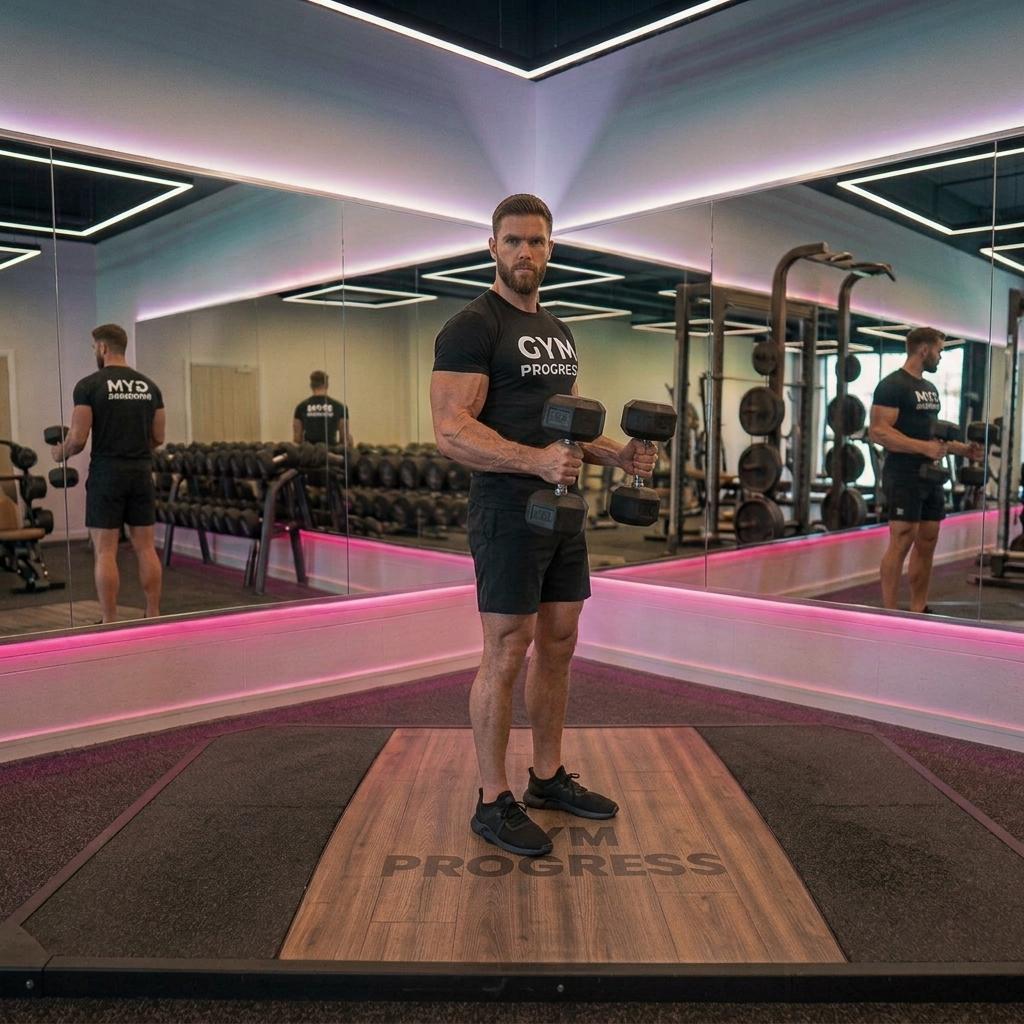

Pairs with the push day: pull-ups, rows and curls for a balanced upper body.
8. Your expectations don't match the timescale
Progress slows as you gain experience, and that's expected. Visible changes in muscle or body shape usually take weeks to months rather than days, and the rate varies a lot from person to person. Tracking several things (your lifts, measurements and photos) makes it easier to spot progress that the scale or the mirror alone might hide.
A four-week plan to get unstuck
- Log every session for the next four weeks.
- Choose one workout plan and keep its main lifts the same throughout.
- Apply double progression: add reps first, then add weight once you reach the top of your rep range.
- Prioritise sleep and regular meals that support your goal.
- After four weeks, review your log. If one lift is still stuck while others are improving, adjust that lift specifically rather than changing everything.