

How to Track Your Gym Progress
What to track in the gym (sets, reps, weight, measurements and photos) and how to review your numbers so you keep making steady progress.
By Gym Progress · Published
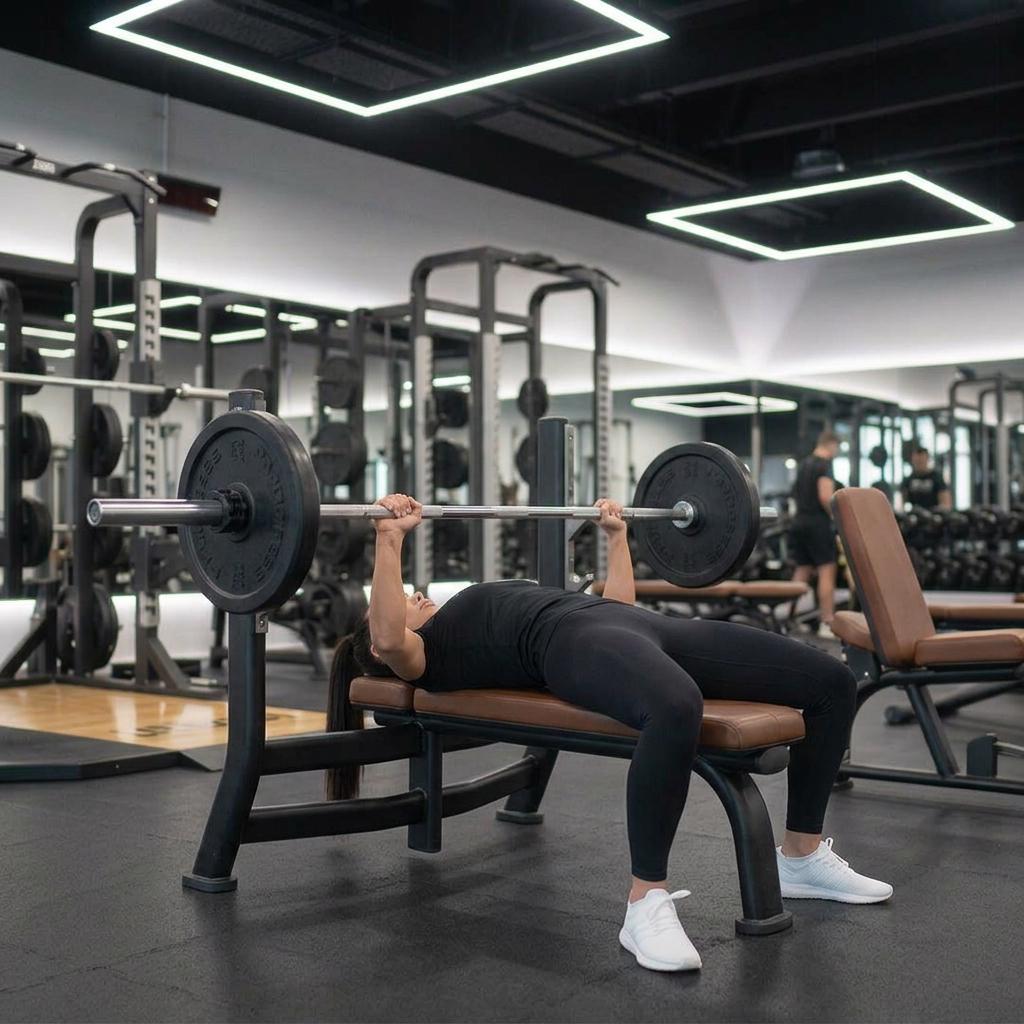
Ask most people what they lifted last week and they'll struggle to remember. Was it 60 kg for 8 reps on the bench, or 62.5 kg for 6? Without a record, every session becomes guesswork, and it's surprisingly easy to train hard for months without moving forward.
Tracking turns your training into information you can act on. It shows whether what you're doing is working, and it tells you exactly what to aim for next time. You don't need complicated spreadsheets: a few measurements, recorded the same way every time, are far more useful than lots of numbers recorded occasionally.
What to track
1. Your training: exercises, sets, reps and weight
The most direct measure of gym progress is what you can do in the gym. For every exercise, write down:
- The exercise. Be specific: barbell squats and the leg press aren't interchangeable, so log them separately.
- The weight used for each set.
- The reps you completed in each set.
- How hard it felt. A short note such as "two reps left" or "last rep was a grind" is enough.
- Anything unusual, such as poor sleep, a different gym or a niggle, so you can explain an off day later.
For cardio such as the rowing machine or the treadmill, record the duration and a measure of intensity: distance, speed, resistance level or simply how hard it felt.
2. Strength benchmarks
You don't need to test your one-rep max to know you're getting stronger. Testing maximal lifts often is tiring and carries more risk, and for most people it isn't necessary. Instead, watch your rep performance at a given weight. If you squatted 60 kg for 5 reps a month ago and can now manage 8 with the same technique, you're stronger.
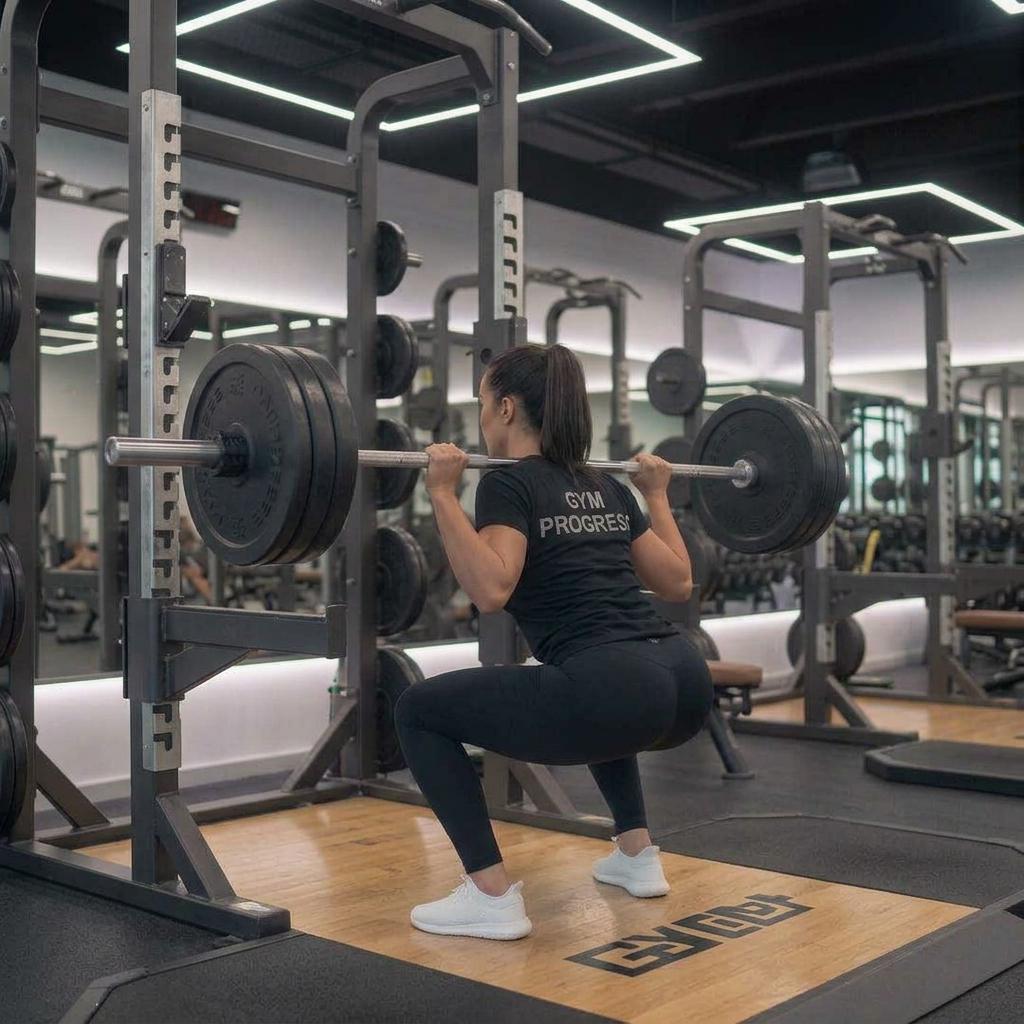
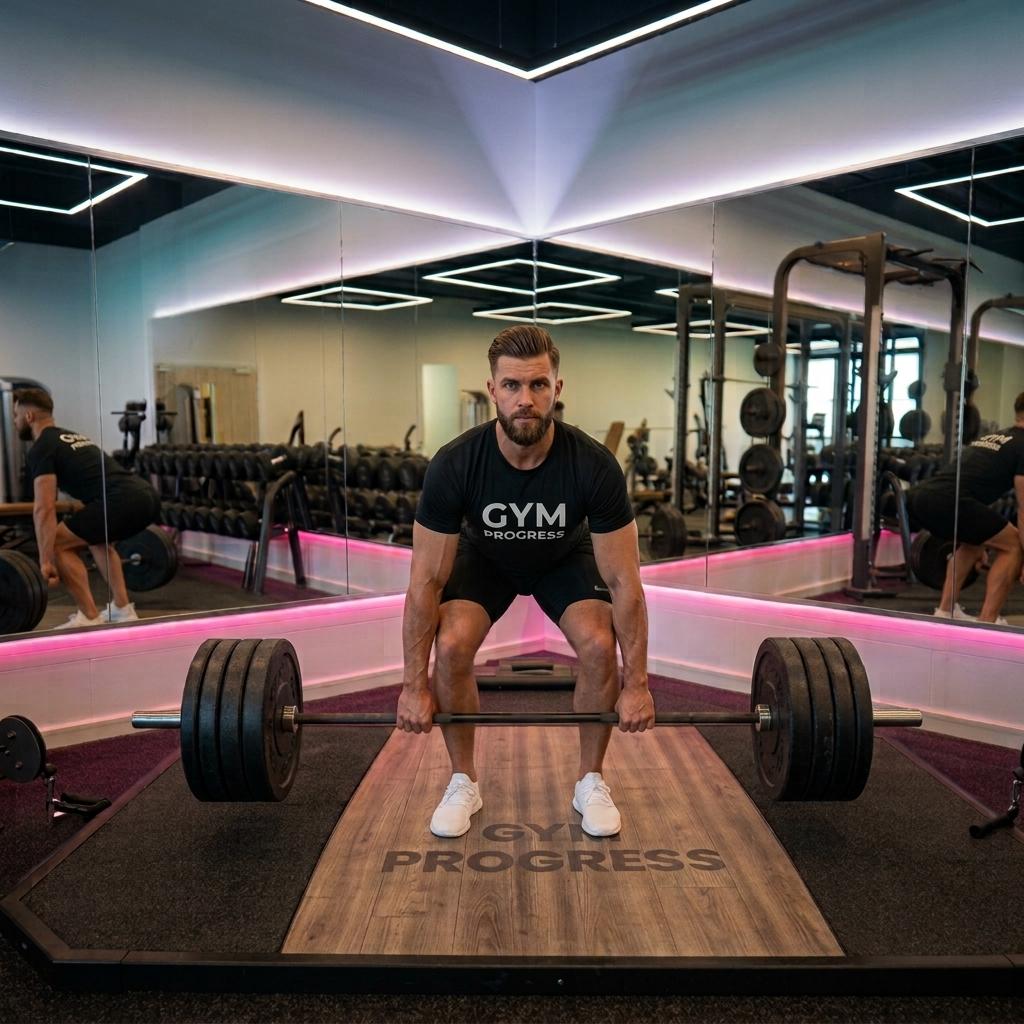
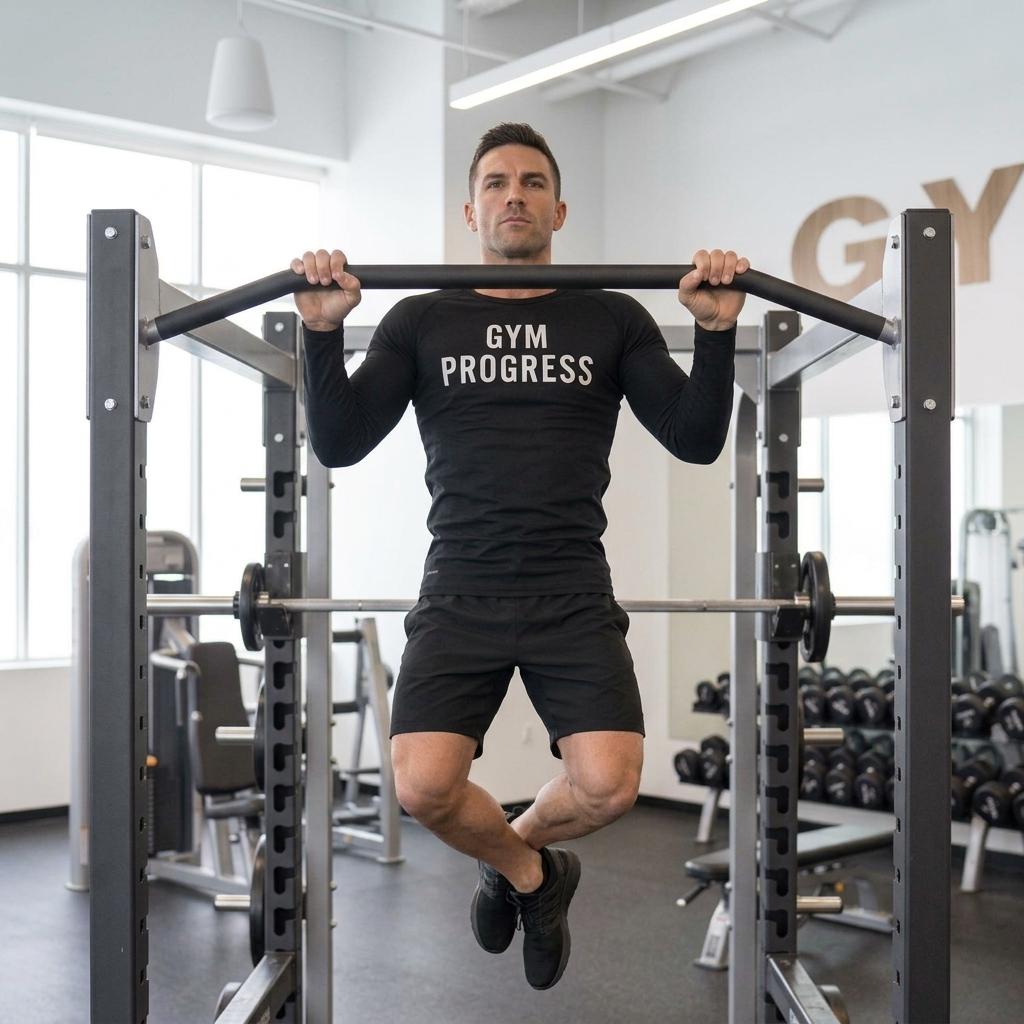
Choose a handful of main lifts to act as your benchmarks and keep them in your programme for several weeks at a time. Big compound movements work well because they involve lots of muscle and respond steadily to training:
3. Body weight and measurements
If your goals include changing your body composition, the scale is useful but easy to misread. Your weight can move noticeably from one day to the next because of water, food and salt, so a single weigh-in tells you very little.
- Weigh yourself under the same conditions each time, for example first thing in the morning before eating or drinking.
- Compare weekly averages rather than individual days.
- Add tape measurements of your waist, hips, chest, arms and thighs every few weeks. They show changes in shape that the scale can hide, especially if you're building muscle and losing fat at the same time.
- If you use a smart scale, treat body fat readings as a rough trend rather than an exact figure. Consumer devices can vary considerably.
4. Progress photos
Photos capture changes that numbers miss, and they're motivating to look back on. The key is consistency: take them in the same place, with the same lighting, at the same time of day and in the same poses (front, side and back) every two to four weeks.

How often to review your progress
- Every session: before each exercise, check what you did last time so you know what to beat.
- Every week: compare this week's average body weight with last week's.
- Every four to six weeks: look at the trend in your benchmark lifts, measurements and photos. This is usually the timescale over which meaningful change becomes visible.
Try not to judge your progress on a single session or weigh-in. Everyone has off days, and a normal fluctuation can look like a setback if you zoom in too far. Trends are what matter.
Turn your numbers into decisions
A training log is only useful if you act on it. Use it to plan your next session: if you hit the top of your target rep range on every set, increase the weight slightly next time. If a lift has stalled for several weeks, that's a signal to look at your recovery, technique or programme. Our guide to why you might not be making progress walks through the most common causes.
Your log is also the foundation of progressive overload. You can't do a little more than last week if you don't know what you did last week.
A simple way to start
If you're new to tracking, pick one structured workout, follow it consistently for a few weeks and log every session. Repeating the same session makes your progress easy to see.
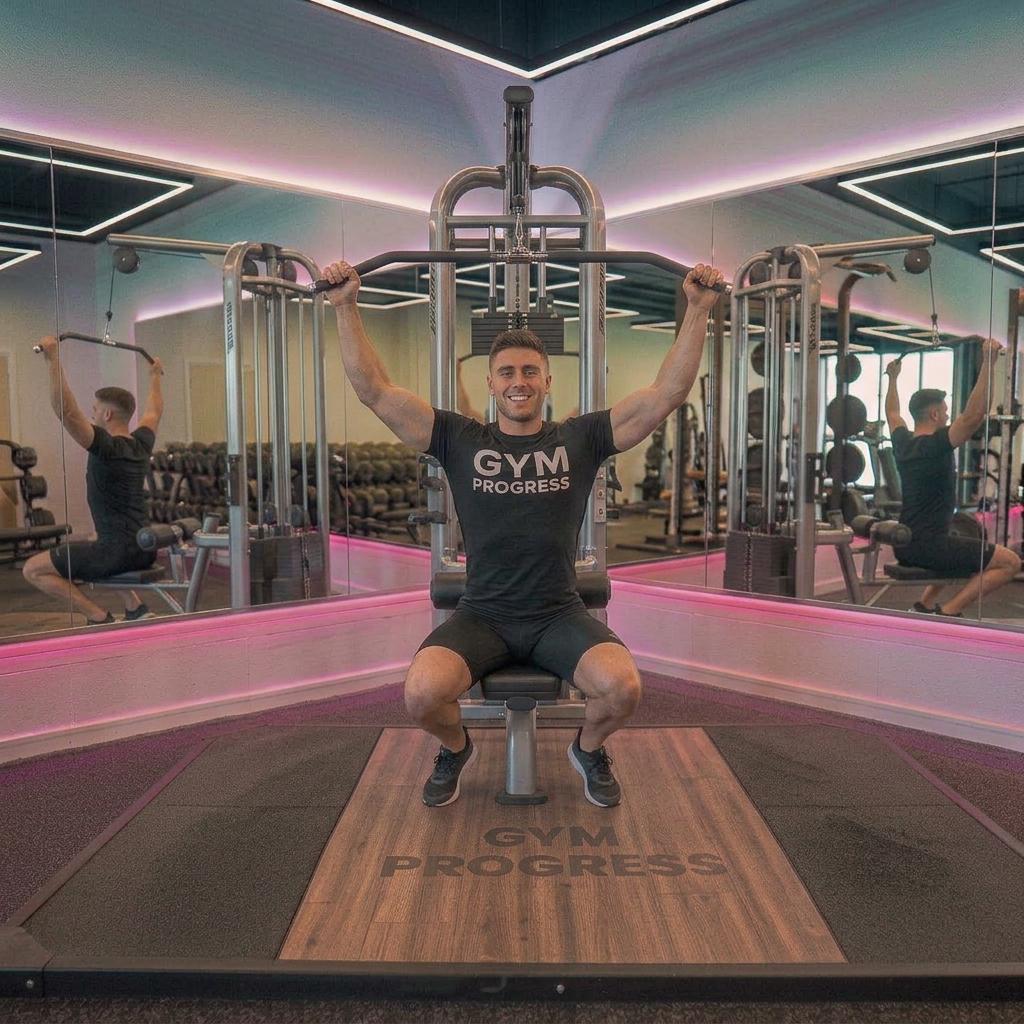
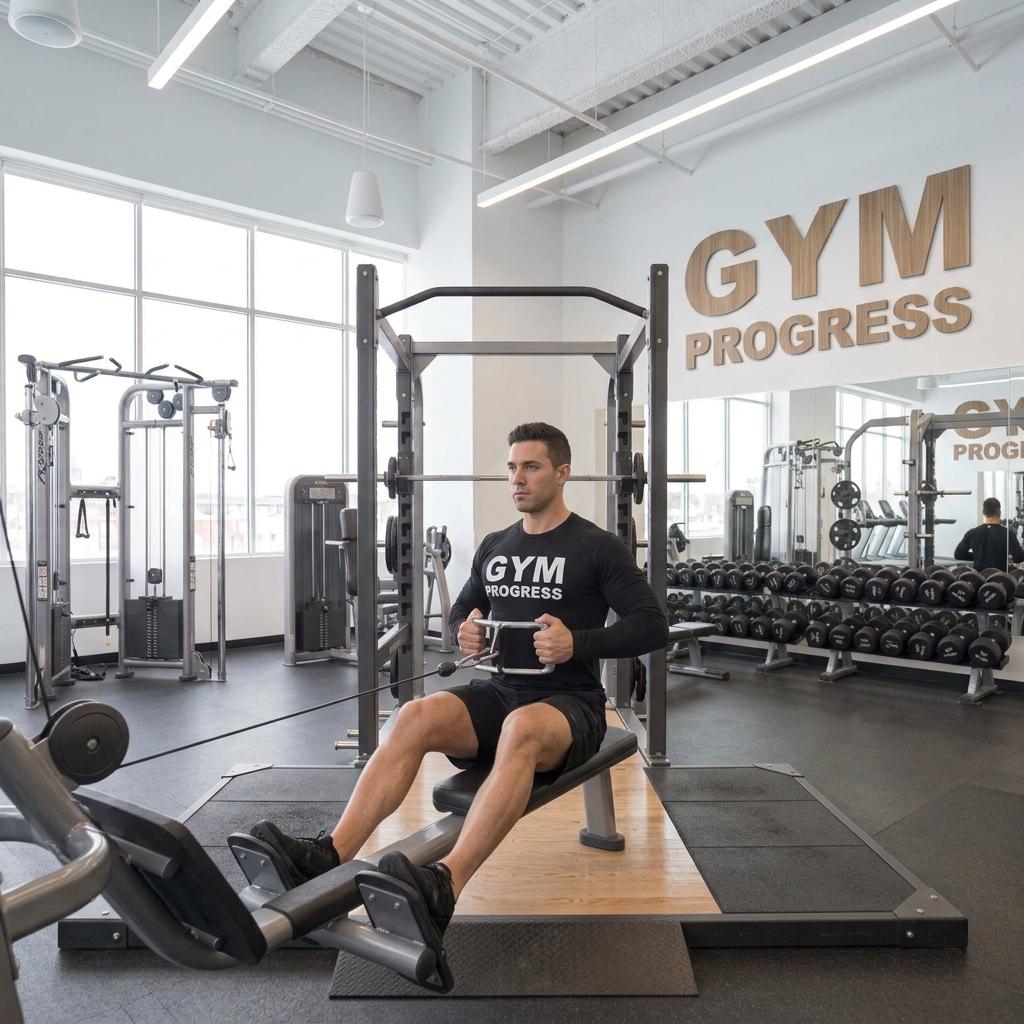
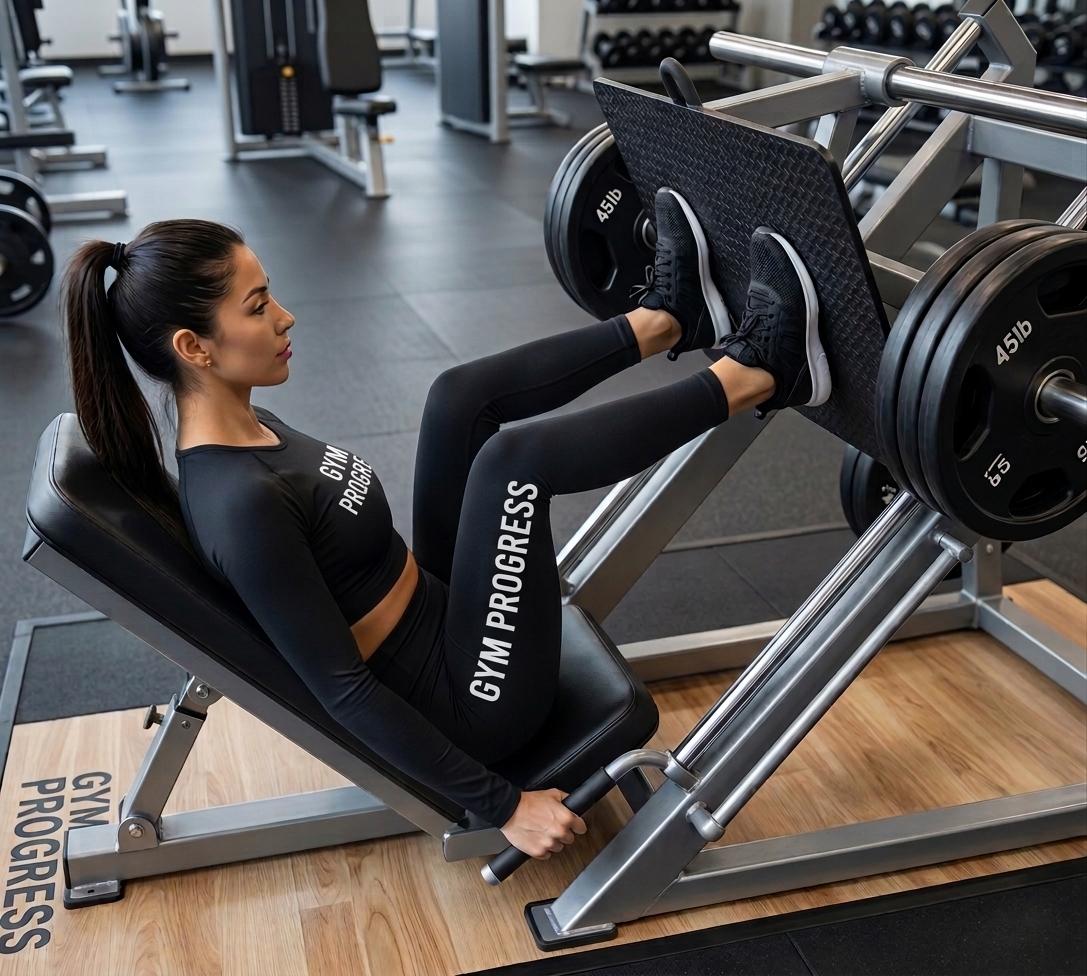
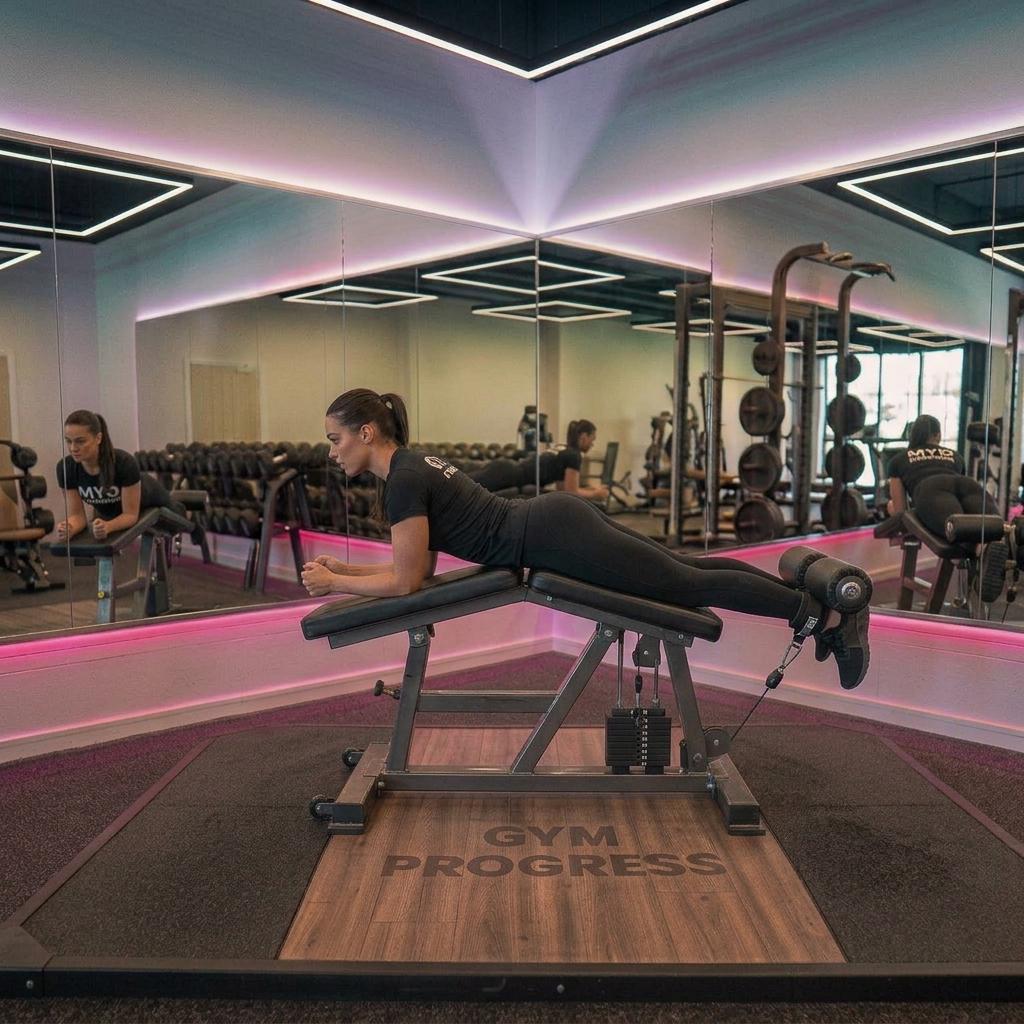
A balanced gym session using machines and dumbbells, and a good first workout to repeat and log each week.
Key takeaways
- Record the exercise, weight, reps and sets for every session.
- Use reps at a given weight as your main measure of strength. You don't need to keep testing your maximum.
- Track body weight as a weekly average, with measurements and photos for context.
- Review trends every four to six weeks rather than reacting to single sessions.