

Progressive Overload Explained: How to Keep Getting Stronger
What progressive overload is, why it drives strength and muscle gains, and simple, practical ways to apply it to your training week after week.
By Gym Progress · Published
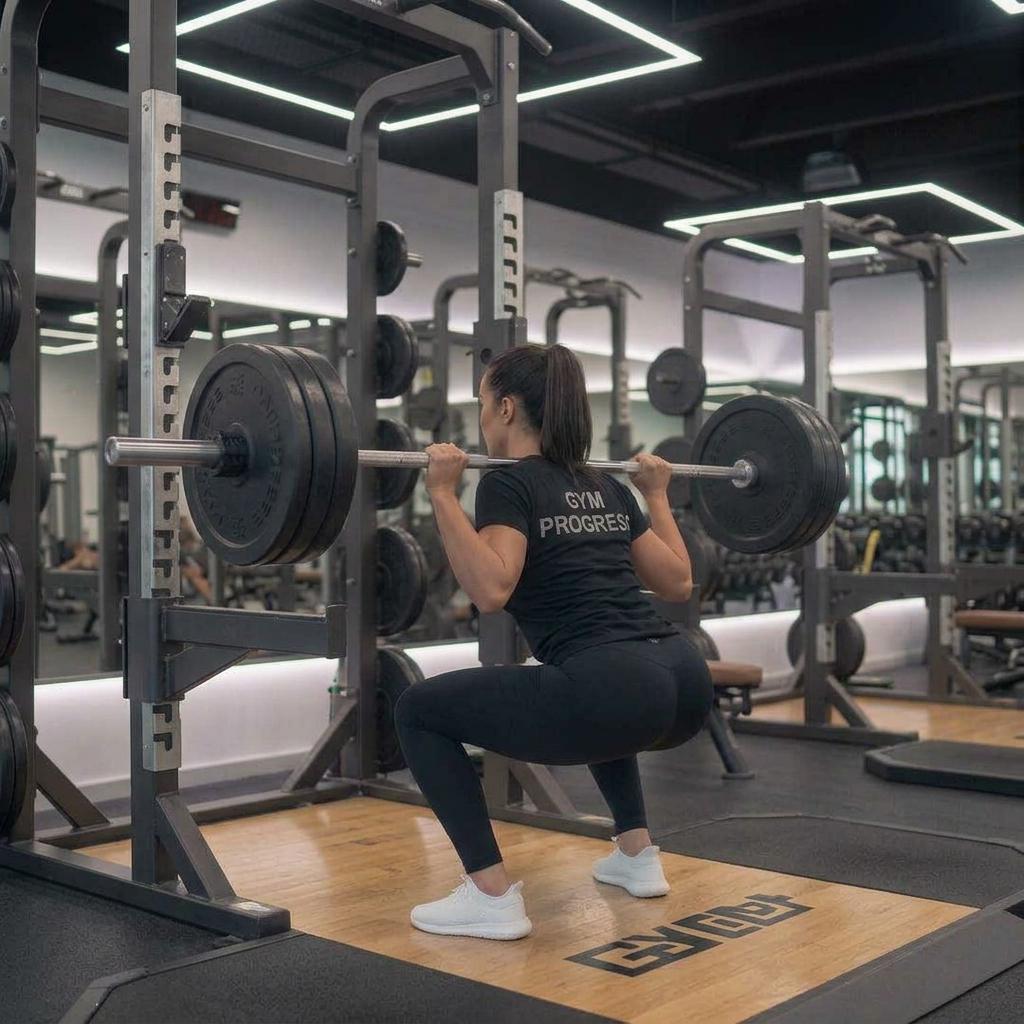
Your body adapts to the demands you place on it. Lift the same weight for the same number of reps indefinitely and, once you've adapted to it, there's little reason for your body to keep changing. Progressive overload is the principle of gradually increasing the demand on your muscles over time, so they have a reason to keep getting stronger and, with enough food and recovery, bigger.
What is progressive overload?
Progressive overload simply means doing a little more over time. "More" doesn't only mean more weight. It can also mean more reps, more sets, a fuller range of motion or better control of the movement.
The important word is gradually. The aim is small, repeatable increases you can keep up for months, not big jumps that leave you stuck after a few weeks or compromise your technique.
Four ways to apply progressive overload
1. Add reps (double progression)
This is the simplest method for most people. Choose a rep range, for example 8 to 12, and a weight you can lift for at least 8 reps with good form. Each session, try to add a rep or two. When you can complete every set at the top of the range, increase the weight slightly and work back up from the bottom of the range.
2. Add weight
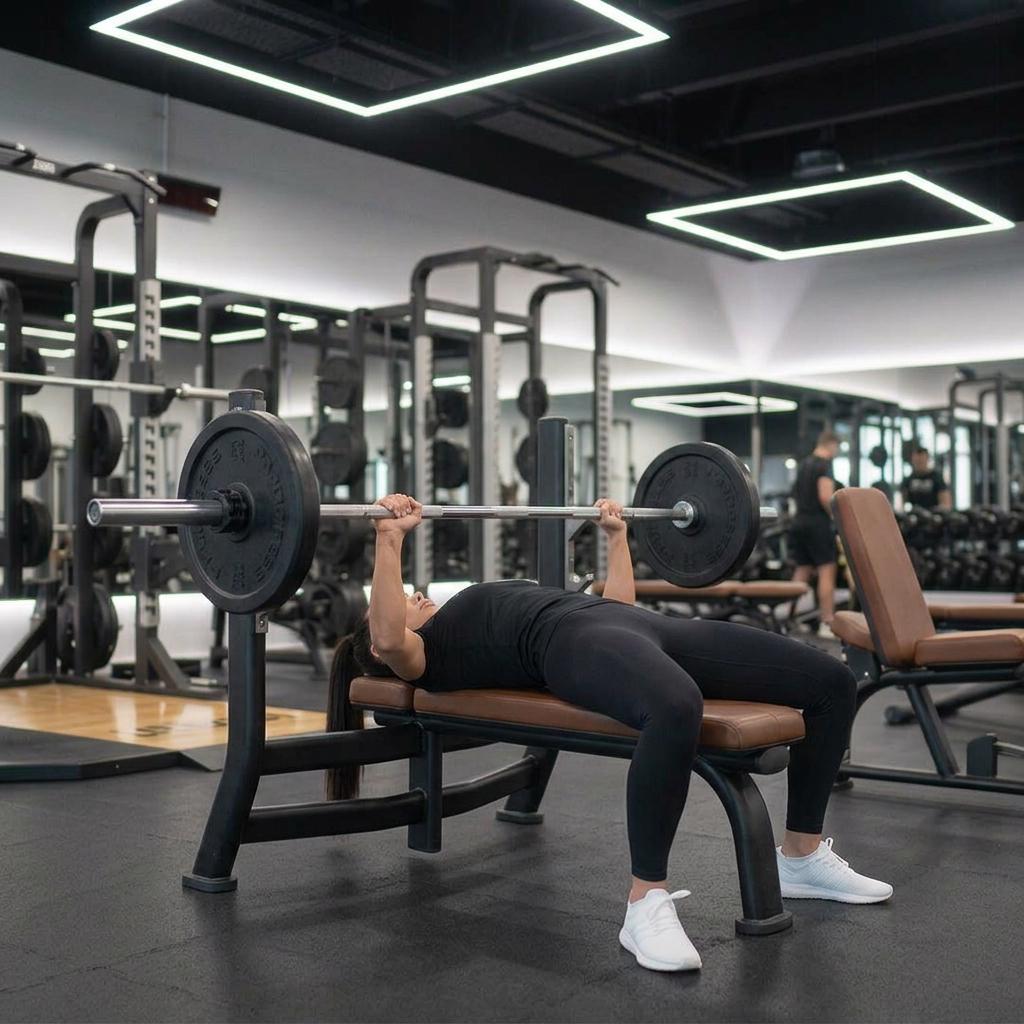
Once you hit your rep target, add load, using the smallest increase available. On barbell lifts such as the bench press, that's often 2.5 kg in total. Big lower-body lifts such as the squat and deadlift can usually handle slightly larger jumps. Small increases add up over months, even though progress naturally slows as you become more experienced.
3. Add sets
Increasing the number of challenging sets you do for a muscle each week is another way to raise the demand, and it's particularly useful for building muscle. Add one set at a time and keep an eye on how well you recover, because more isn't automatically better.
4. Improve technique and control
Lifting the same weight through a fuller range of motion, with a slower and more controlled lowering phase, or with less momentum is also progress. This is especially useful for bodyweight exercises such as push-ups and pull-ups, where adding weight isn't always practical.
How fast should you progress?
Beginners can often add reps or weight in most sessions for the first few months. Over time, progress slows: experienced lifters may improve from week to week or month to month, in smaller increments. That's normal, not a sign that something has gone wrong.
A useful rule of thumb is to finish most working sets with around one to three reps left in reserve and your technique intact. If your form breaks down to hit a number, the weight is too heavy for now.
Progressive overload needs a training log
You can't beat last week's numbers if you don't know what they were. Recording your sets, reps and weights turns progressive overload from guesswork into a plan: before each exercise, check what you did last time and aim to do slightly better. Our guide on how to track your gym progress explains what to record.
Putting it into practice
Choose a workout that you'll repeat with the same main exercises for several weeks, so you can see those exercises improve. The leg day below is built around compound lifts that respond well to steady progression.
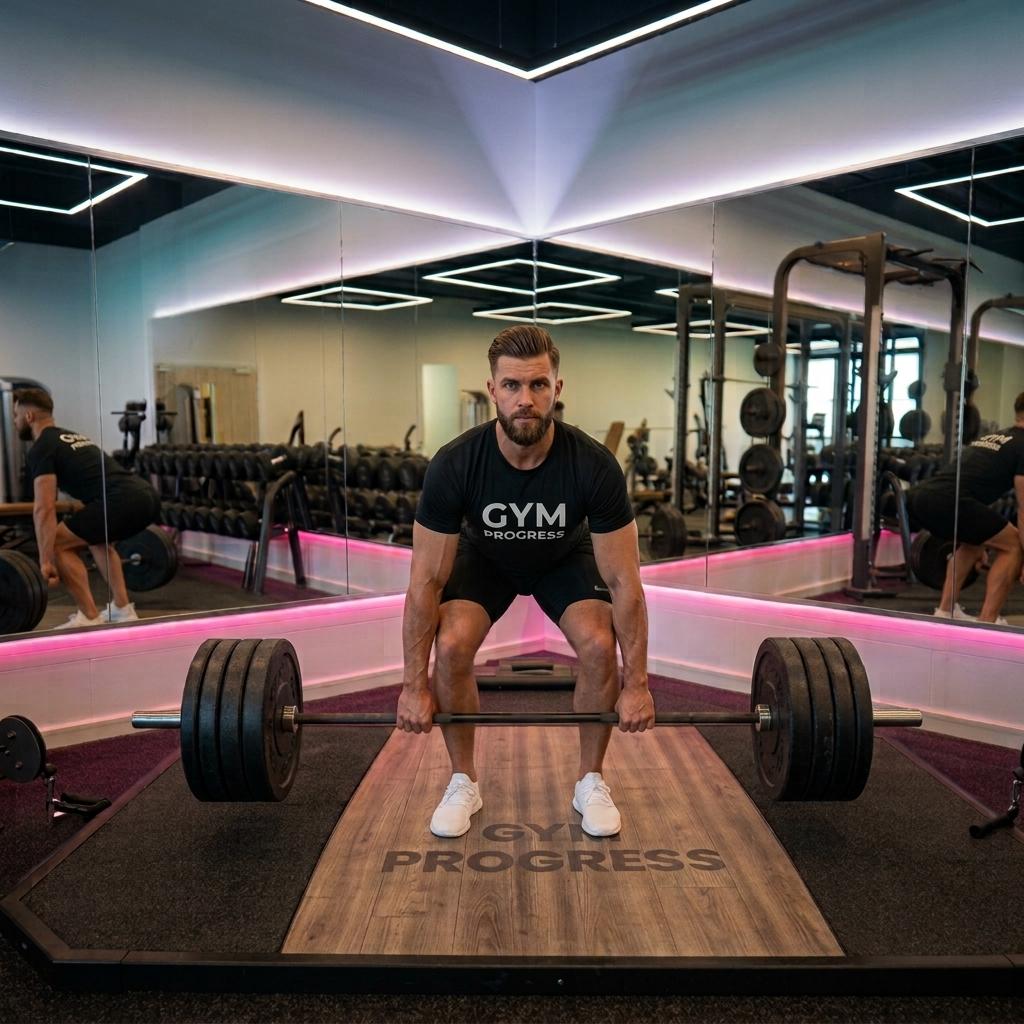
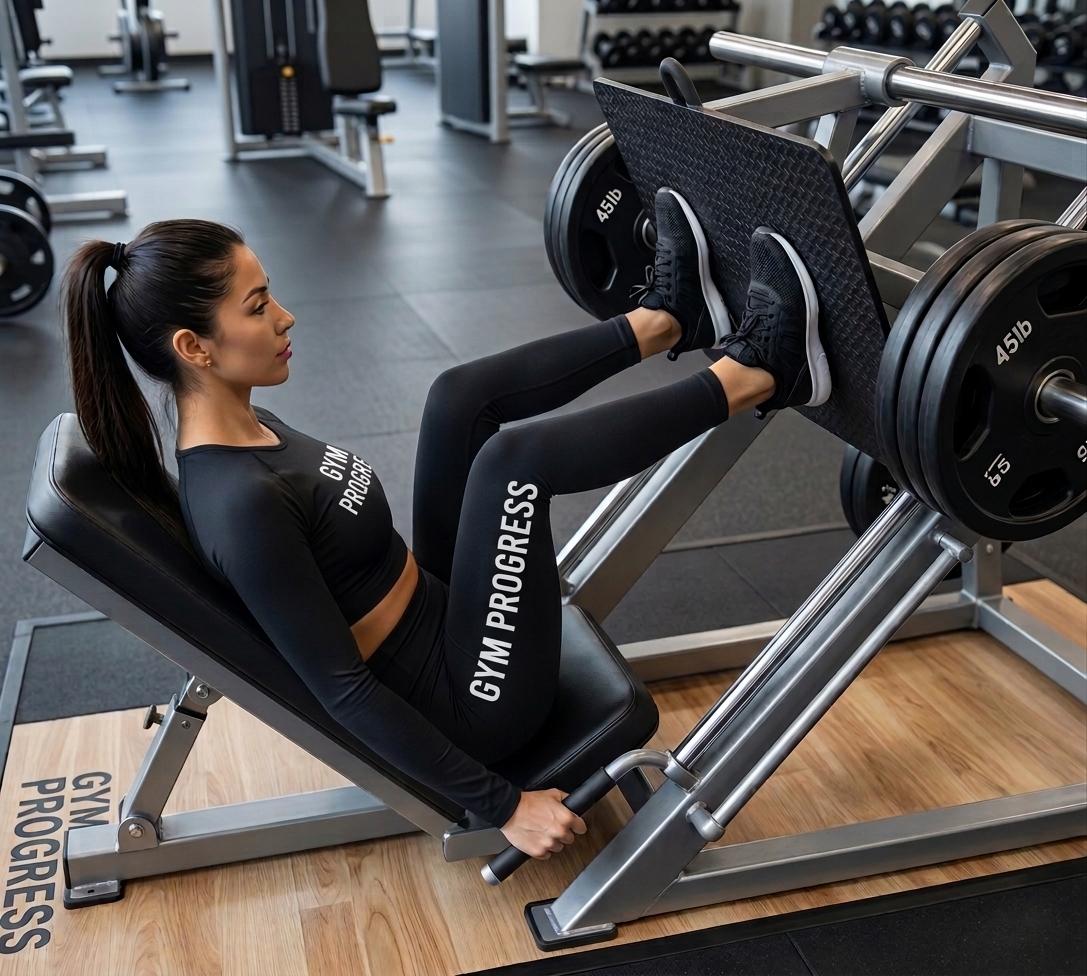
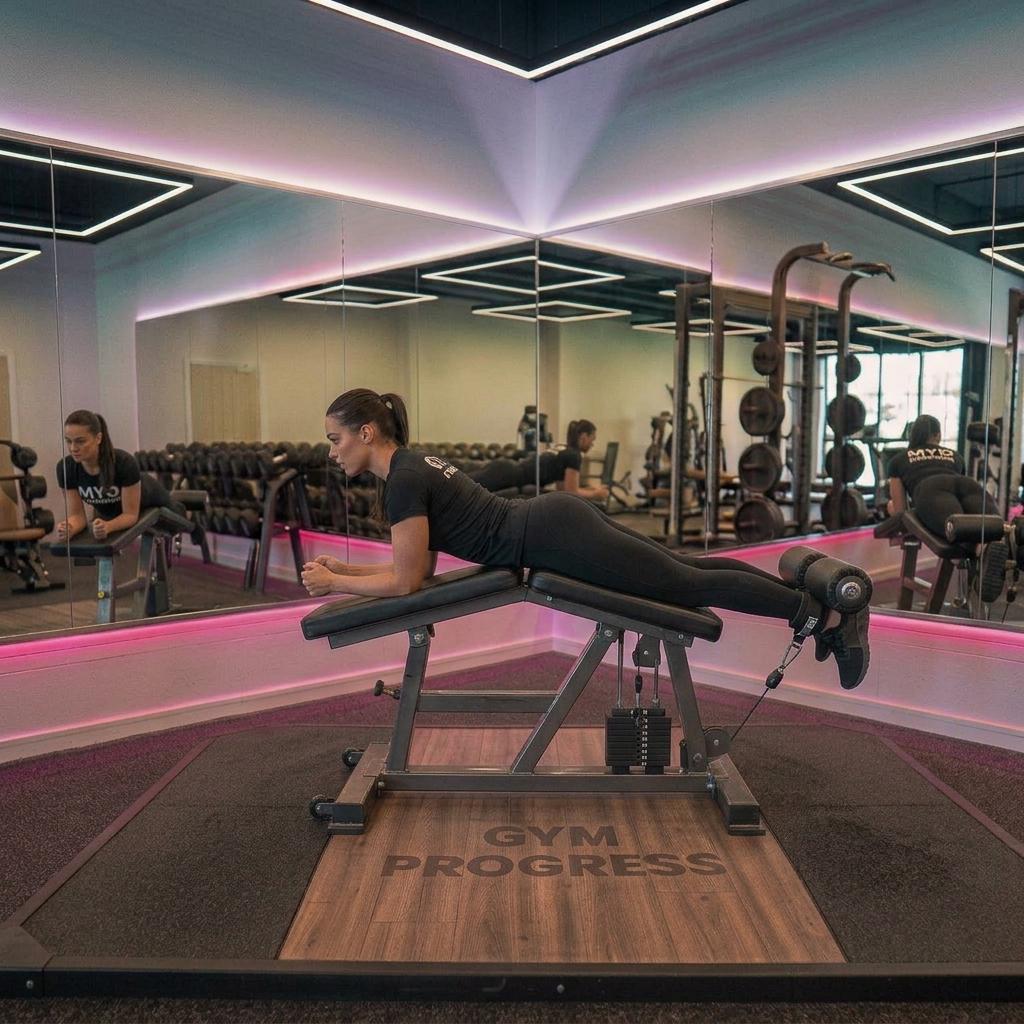
Built around the squat, deadlift and leg press, so it's ideal for applying double progression week after week.
Repeat the session each week, log every set and apply one of the methods above. Swapping exercises constantly makes progress hard to measure, so keep the core lifts consistent and change the details only when you need to. These lifts are a good place to start:
Key takeaways
- Progressive overload means gradually increasing the demand on your muscles over time.
- You can add reps, weight, sets, or range of motion and control.
- Double progression (add reps, then weight) is a simple, reliable starting point.
- Keep increases small and technique consistent, and expect progress to slow as you gain experience.
- Log every session so you always know what to beat.